Between Worlds
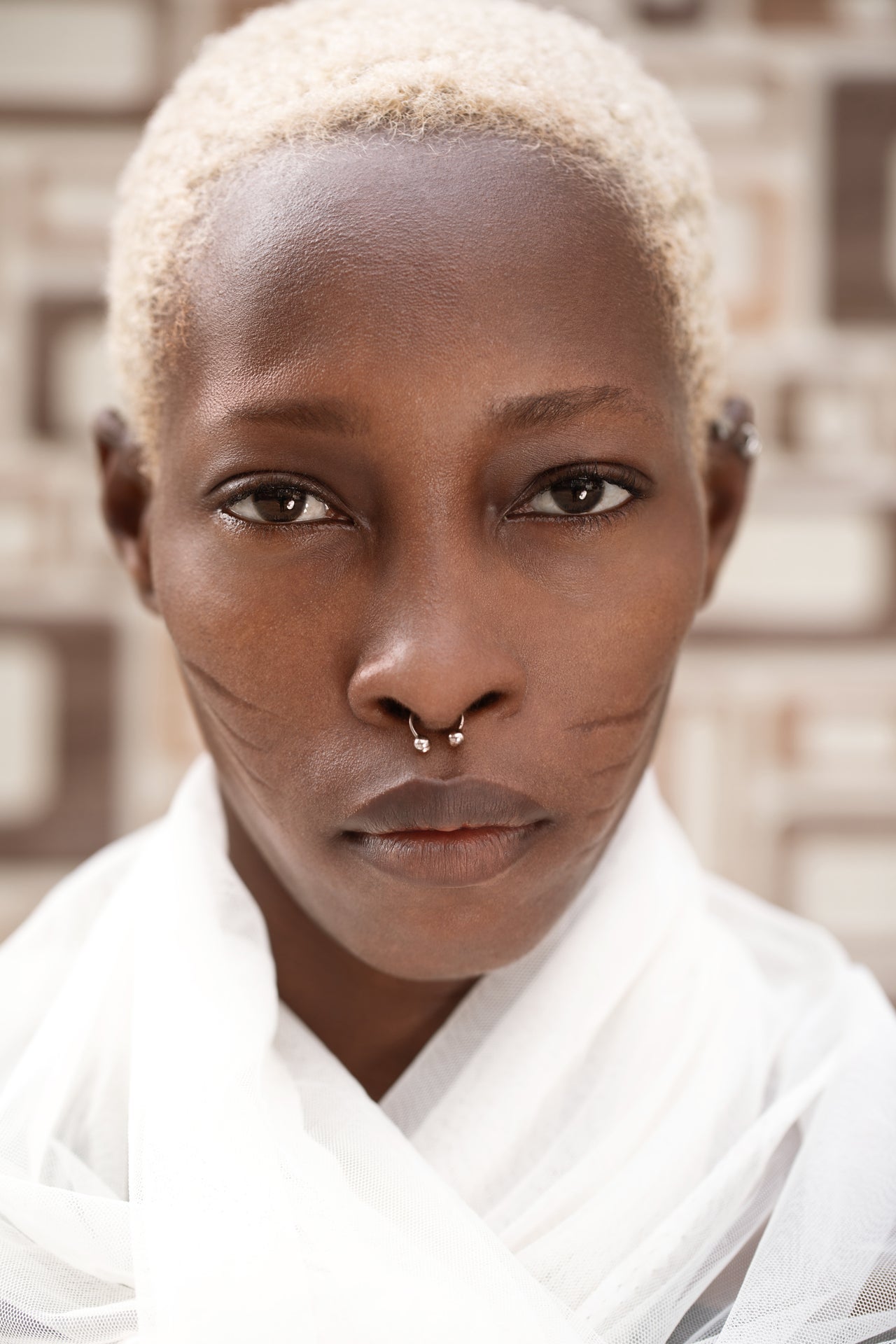
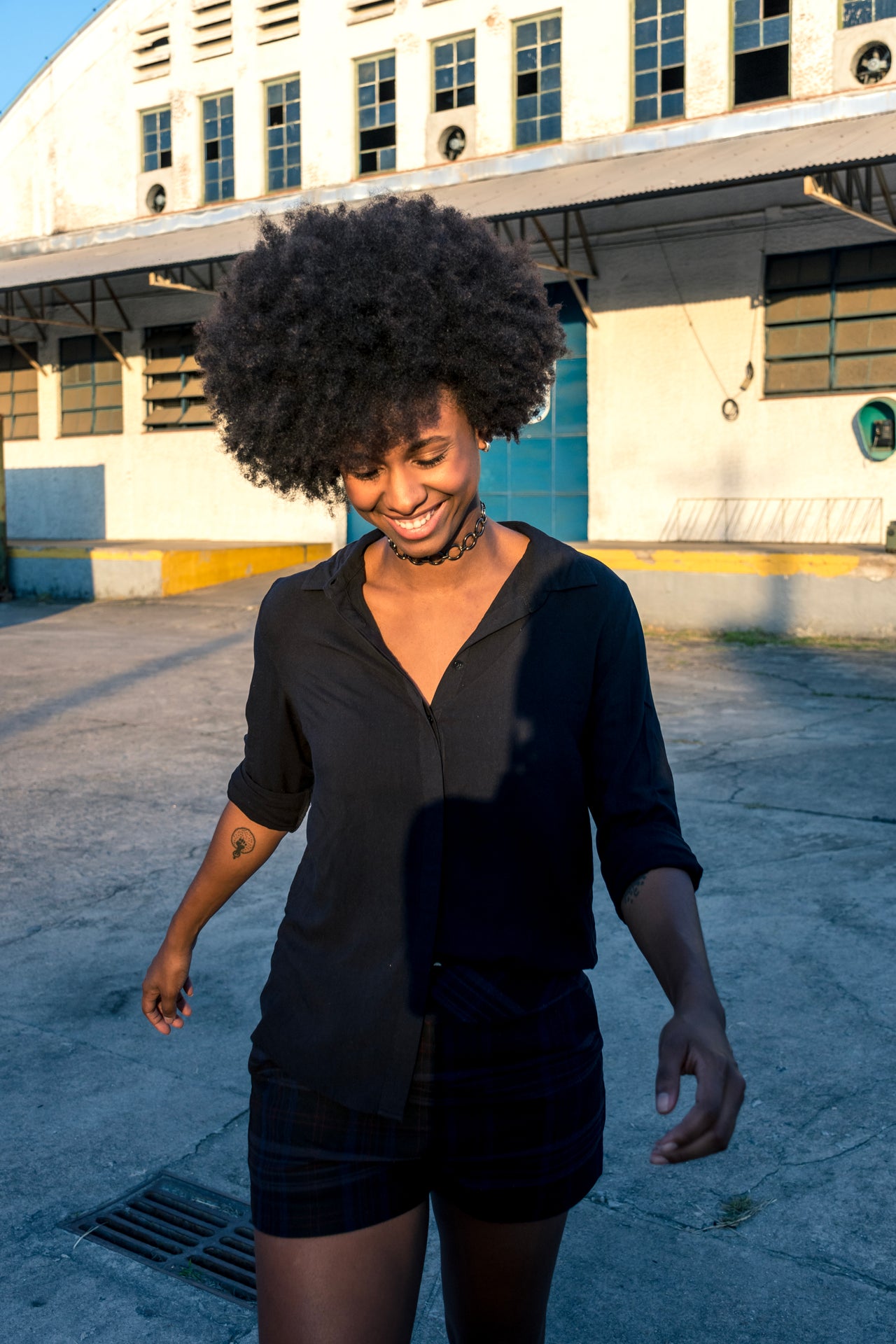
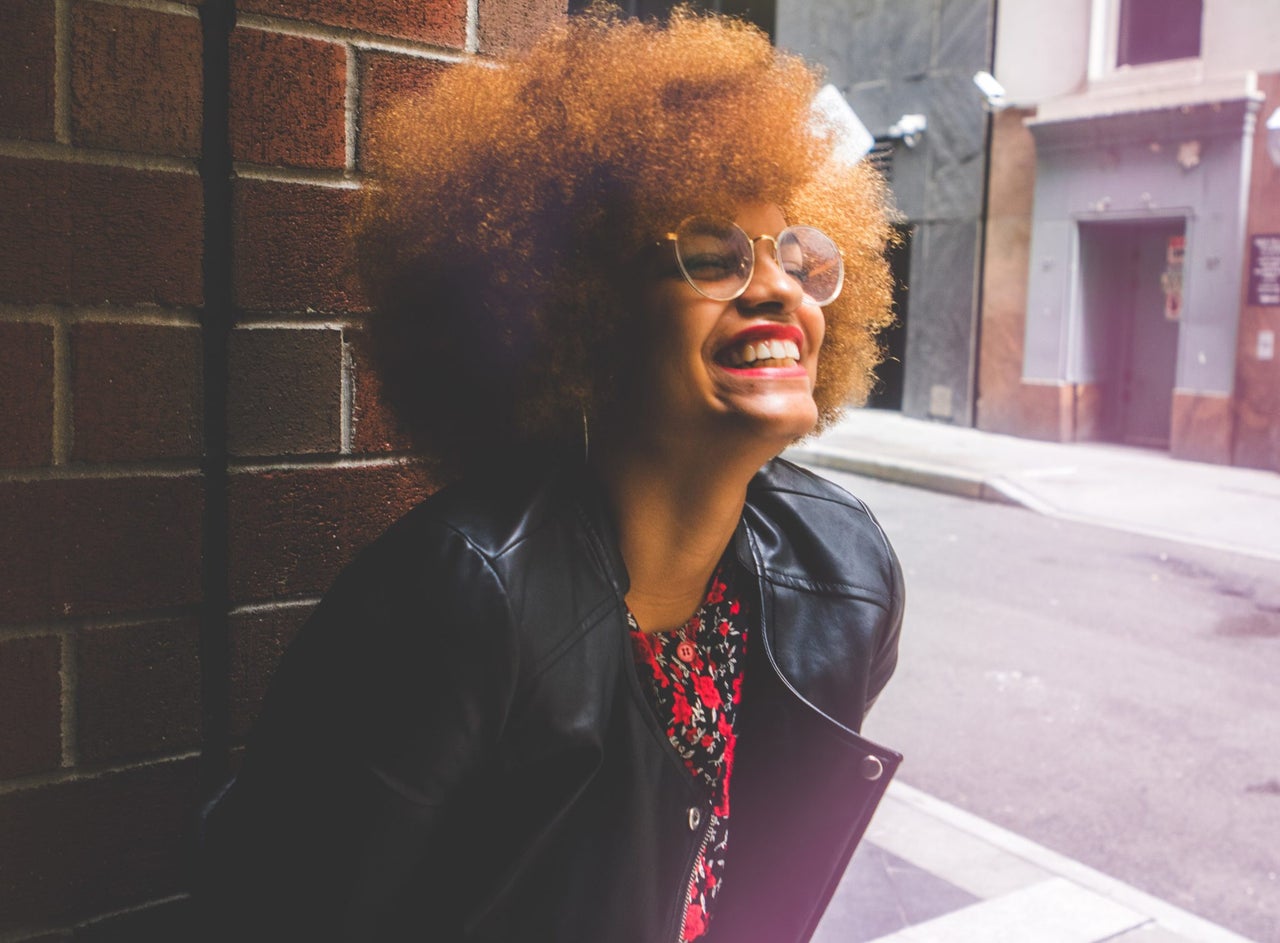
Individuals of mixed heritage — with parents or grandparents from different racial or ethnic backgrounds — often have hair that reflects the biological complexity of their ancestry. Their hair may combine characteristics typically associated with different ethnic groups: looser curls in some areas and tighter coils in others, variable fibre diameters along the same head, or textures that do not fit neatly into any category on the Walker system.
This biological reality produces a distinctive set of experiences around hair: navigating multiple identity communities, managing technically complex hair care needs, encountering discrimination and curiosity from multiple directions, and developing a relationship with hair that may resist simple categorisation.
As someone of mixed European-African heritage, I (Yanina Soumaré) have navigated these experiences personally. CROWN’s work is informed by the understanding that mixed heritage hair represents not a marginal category but a growing and increasingly visible dimension of hair diversity.
The Biology of Mixed Heritage Hair
The genetics of hair texture are polygenic — influenced by many genes with small individual effects. When parents contribute different genetic profiles for hair characteristics, the result is not a simple average but a complex interaction:
Multiple textures. It is common for individuals of mixed heritage to have different textures in different areas of their head — looser curls at the temples, tighter coils at the crown, or wavy sections alongside coily sections. This variation within a single head reflects the complex expression of multiple genetic influences.
Variable properties. Porosity, density, fibre diameter, and other properties may vary across the scalp more than is typical for individuals with more genetically uniform hair texture. This variability creates care challenges, as different sections of hair may respond differently to the same products and techniques.
Unpredictable inheritance. Siblings with the same parents can have dramatically different hair textures, reflecting the random nature of genetic recombination. Within mixed-heritage families, the visible differences in hair texture among siblings can create dynamics around texturism and comparative evaluation.
The Identity Experience
Mixed heritage individuals navigate distinctive identity terrain around hair:
Double discrimination. Research suggests that mixed heritage individuals may face hair discrimination from multiple directions — perceived as “too textured” by Eurocentric standards and “not textured enough” by community standards. This double bind creates a particular form of identity tension where no presentation feels fully accepted.
Classification pressure. In a world that demands categorical identity — “What are you?” — mixed heritage hair resists categorisation. The pressure to identify with one heritage community or another, often expressed through hairstyle choices, can create stress around a characteristic that is simply the natural expression of diverse ancestry.
The “good hair” dynamic. Within communities of colour, mixed heritage individuals with looser curl patterns may be told they have “good hair” — a compliment that simultaneously flatters the individual and devalues tighter textures. This experience can create guilt, discomfort, and awareness of texturism that more homogeneously textured individuals may not encounter.
Belonging uncertainty. Hair serves as a visible marker of group membership. When an individual’s hair does not clearly signal belonging to any single group, it can create uncertainty about social acceptance and community identity. This uncertainty is a form of chronic social stress.
Hair Care Challenges
The practical dimension of mixed heritage hair care presents specific challenges:
Limited expertise. Hair care professionals are typically trained for specific texture categories. Mixed heritage individuals often find that no single stylist or product line adequately addresses the range of textures present on their head.
Product mismatch. Products designed for straight hair may be too light for coilier sections; products designed for coily hair may be too heavy for looser sections. Finding the right combination requires experimentation and knowledge that is often not available from commercial sources.
Care technique. Different sections may require different detangling approaches, different moisture levels, and different styling techniques. Managing this variability is time-consuming and technically demanding.
Representation gap. Hair care tutorials, product recommendations, and professional advice often assume texture uniformity. Mixed heritage individuals may not see their specific combination of textures represented in educational or commercial content.
The CROWN Diagnostic addresses this challenge by providing multi-dimensional characterisation that captures the full range of properties present in an individual’s hair — including variation across different sections of the scalp. This precision enables care recommendations that account for the complexity of mixed heritage hair.
A Growing Population
Mixed heritage is one of the fastest-growing demographic categories across Europe. In the UK, the mixed ethnic group was the fastest-growing census category between 2011 and 2021. France, Germany, the Netherlands, and Switzerland all have growing mixed heritage populations.
This demographic trend means that the experiences described in this article are not marginal — they represent an increasingly significant dimension of European hair diversity. CROWN’s research programme accounts for this by ensuring that the CDI captures the experiences of mixed heritage individuals alongside monoracial respondents, and that the CROWN Hair Commons includes the full range of mixed heritage hair profiles.
CROWN’s Commitment
CROWN was co-founded by a woman of mixed European-African heritage. This is not incidental — it reflects the understanding that the intersection of heritages produces a particular sensitivity to the dynamics of hair discrimination, texturism, and identity that informs every dimension of CROWN’s work.
Our commitment to mixed heritage hair is embedded in:
- Research design: CDI instruments that capture mixed heritage experiences specifically
- Technology: Diagnostic tools calibrated for the full range of hair textures, including within-head variation
- Clinical practice: The 360° Protocol addresses identity tensions specific to mixed heritage individuals navigating between cultural communities
- Knowledge: This Library provides resources that recognise and value the diversity within diversity
Mixed heritage hair is not an anomaly to be accommodated. It is a manifestation of the genetic diversity that defines our species — beautiful in its complexity, deserving of understanding, and worthy of the same precision, care, and protection that CROWN brings to all dimensions of hair diversity.